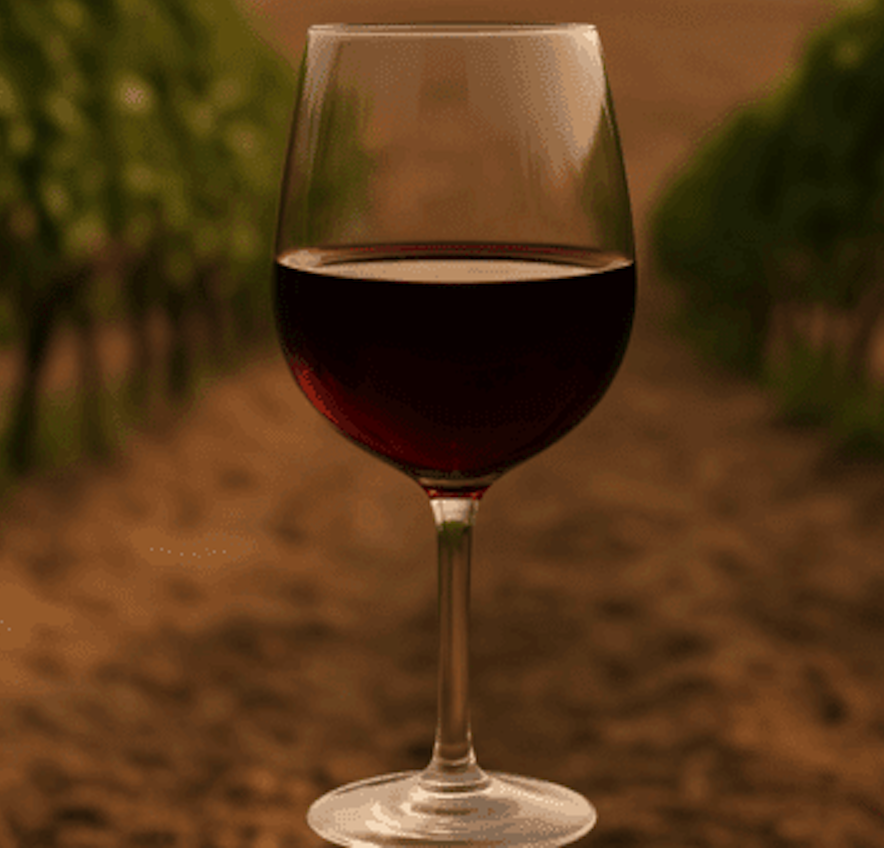
This year, the Soil Association, the leading UK organic certification body, highlighted the importance of healthy soils. Soil holds twice as much carbon as both the atmosphere and vegetation combined, highlighting the importance of protecting soil to achieve climate change goals.
And when it comes to wine, soil isn't just the ground vines grow in, it's the foundation of the vineyard.
How Does Soil Affect Wine?
Soil is where it all begins. It nourishes the vines, sustains the grapes and ultimately shapes the wine in your glass. While many elements influence a wine's style, soil is one of the most important.
Organic vs Non-Organic Soils
The difference between organic and non-organic vineyards is striking.
Why Healthy Soil Matters for All of Us
Healthy soils take time and money to nurture. Organic systems are more labour-intensive, often with lower yields, but they reveal the true cost of production without hidden clean-ups, health issues or chemical subsidies.
Dead soils produce weak, disease-prone plants. Healthy soils produce resilient vines and authentic wines, free from residues. Supporting growers and winemakers who invest in soil health is supporting biodiversity, sustainability and quality – not just for us, but for future generations.
And whose soil is it anyway? It belongs to all of us, and it's borrowed from future generations. By choosing wines from soil-conscious winemakers, you're investing in flavour, authenticity and a healthier planet. Look after the soil, it looks after us.
When you care for the ground beneath the vines, you taste the difference in the glass.
Soil Types and Their Signature in Wine:
Limestone: Elegance and Freshness: Retains water yet drains well, producing wines with brightness and minerality. Think Chablis or Champagne.
Clay: Power and Structure: Moisture-rich, cool soils give plush, full-bodied wines such as a Right Bank Merlot from Saint-Émilion, one of Bordeaux's most prestigious wine regions.
Gravel: Warmth and Precision: Fast-draining and heat-retaining, gravel sharpens Cabernet Sauvignon in Bordeaux's Médoc.
Volcanic: Energy and Spice: Mineral-rich soils yield wines with vibrancy, salinity, and spice, such as Sicily's Etna Rosso, singing of fire and ash.
Sand: Finesse and Perfume: Light soils produce fragrant, delicate wines with softer tannins, as in certain Barolos.
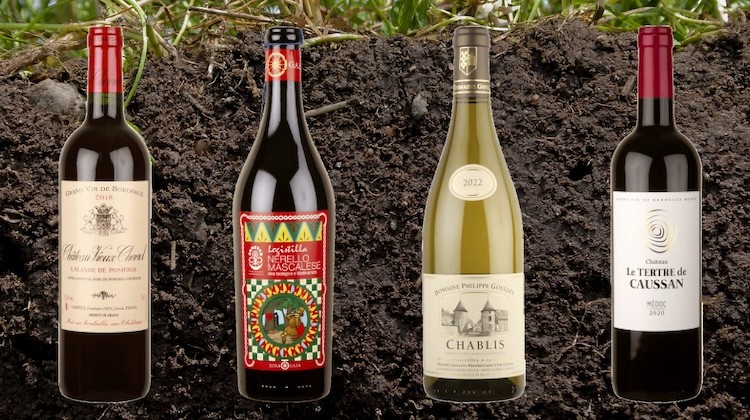
Above: Chateau Vieux Chevrol Lalande de Pomerol Grand Vin, Orsogna Luna Gaia Terre Siciliane Nerello Mascalese, Domaine Goulley Chablis, Chateau Le Tertre de Caussan AOC Medoc, all available from Vintage Roots.
As a useful point of reference, every Vintage Roots product is certified organic, meeting the standards of trusted certifiers both in the UK and abroad. And last year, we became a certified B Corp to prove that business can balance profit with purpose. Our mission remains the same: to bring you quality organic drinks that are fine on the palate, kind to the planet and fair on the pocket.
We're proud to collaborate with businesses that share our commitment to sustainability and positive impact. Our connection with Salvo began at the 2017 Salvo Fair, where we sponsored the Charity Gala. The event embraced a Green Living theme, with thoughtful touches throughout, including sustainably led food from Douglas McMaster, founder of zero-waste restaurant Silo. A perfect pairing, much like salvage and organic wine, both rooted in great taste and a lighter footprint.
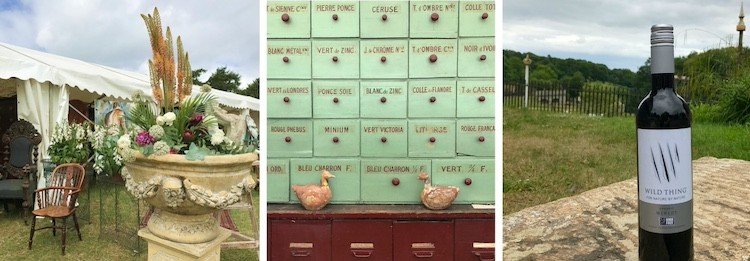 Above: Vintage Roots at Salvo Fair 2017
Love great wine and good news? Sign up for the Vintage Roots newsletter here to get the latest updates, exclusive offers, and receive a 10% discount code for first orders too!
Story Type: Advertorial