Modern construction projects, in the UK often source new bricks from Asian countries, such as India and China, due to lower production costs. Only a small percentage of new bricks made in the UK or reclaimed brick from demolition sites have been used for new build or retrofit projects. However, reuse has recently come into focus due to its environmental and carbon benefits. This has encouraged greater support for same-site and local reuse from architects and other construction professionals for both reclaimed and local building materials. Ethical considerations too from Asian countries, for example working conditions, such as child or slave labour have also raised concerns. Reuse also saves in other costs such as landfill taxes.
Green building news from this article in The Guardian: 'UK importing more bricks than ever', reported, 'the UK was importing more new bricks than ever and the carbon cost of each brick was rising.' 'More than 500m bricks were imported in 2022, leading to carbon emissions of 288,190 tonnes.' The article gave the example, 'more than 7m bricks were imported from Pakistan in 2022. Each of these bricks creates 1kg/CO2e, compared with 0.52kg for the average brick from the EU.'
Historically in the UK, clay was readily available and often excavated from local land and used to make local bricks. For example, the Roman's used local clay to make local bricks, in local kilns for their walls in Colchester. Then during the Victorian era, local brick production was used extensively. It was recognised as cheaper and easier not to have to transport building materials over long distances. This was seen to be especially useful in larger building projects such as bridges, factories, new towns or stately homes.
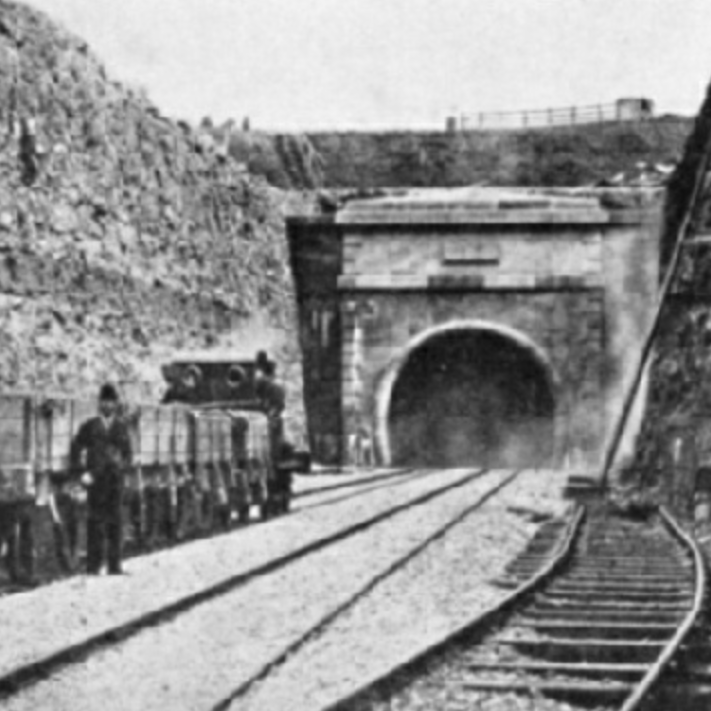
One famous example, shown in the UK, BBC television series, Great British Railway Journeys, 'Chippenham to Gloucester' (Series 5, Episode 14), featured local clay bricks used to build the Severn Tunnel Junction. Completed In the 1886, presenter, Michael Portillo describes it as an'enormous engineering feat to build' and at more than four miles long, it remained the longest tunnel in the UK for more than a century.
Michael questioned why was it built? The phrase 'follow the money' provided the answer; 'it was built for coal'. Not simply to shorten the journey times, but as a vital link to connect Bristol and South Wales for coal transportation. Coal being the essential energy source at the time, for both domestic life and the Industrial Revolution. It provided power for heating, lighting, cooking, steam engines, the production of iron and steel and much more. In the programme, Michael explores the tunnel, demonstrating it was and still is, a perfect example of Victorian-era vision and remarkable engineering skills.
The tunnel had to pass under the River Severn for almost two miles and cost about two million pounds to build. Chief Engineer, Charles Richardson designed the tunnel fifty feet at its deepest, twenty six foot wide and with a roof up to three foot thick. This new railway took eight years to build. The project engineers also designed and built a pumping station to cope with gallons of fresh spring water. A whole new village, Sudbrook, was even built to house its workers. The total number of bricks used was almost eighty million.
Engineer, Thomas A. Walker was later appointed to oversee the construction and his role was to become pivotal in the tunnel's design, construction, and completion. The engineering achievements included the clay brick lined tunnel and an innovative steam powered pumping system. In the TV series, Portillo is understandably impressed by the millions of bricks used in the tunnel’s structure, and the pumping mechanisms, now powered by electricity, used to keep the tunnel dry, even for the millions of passengers travelling today.
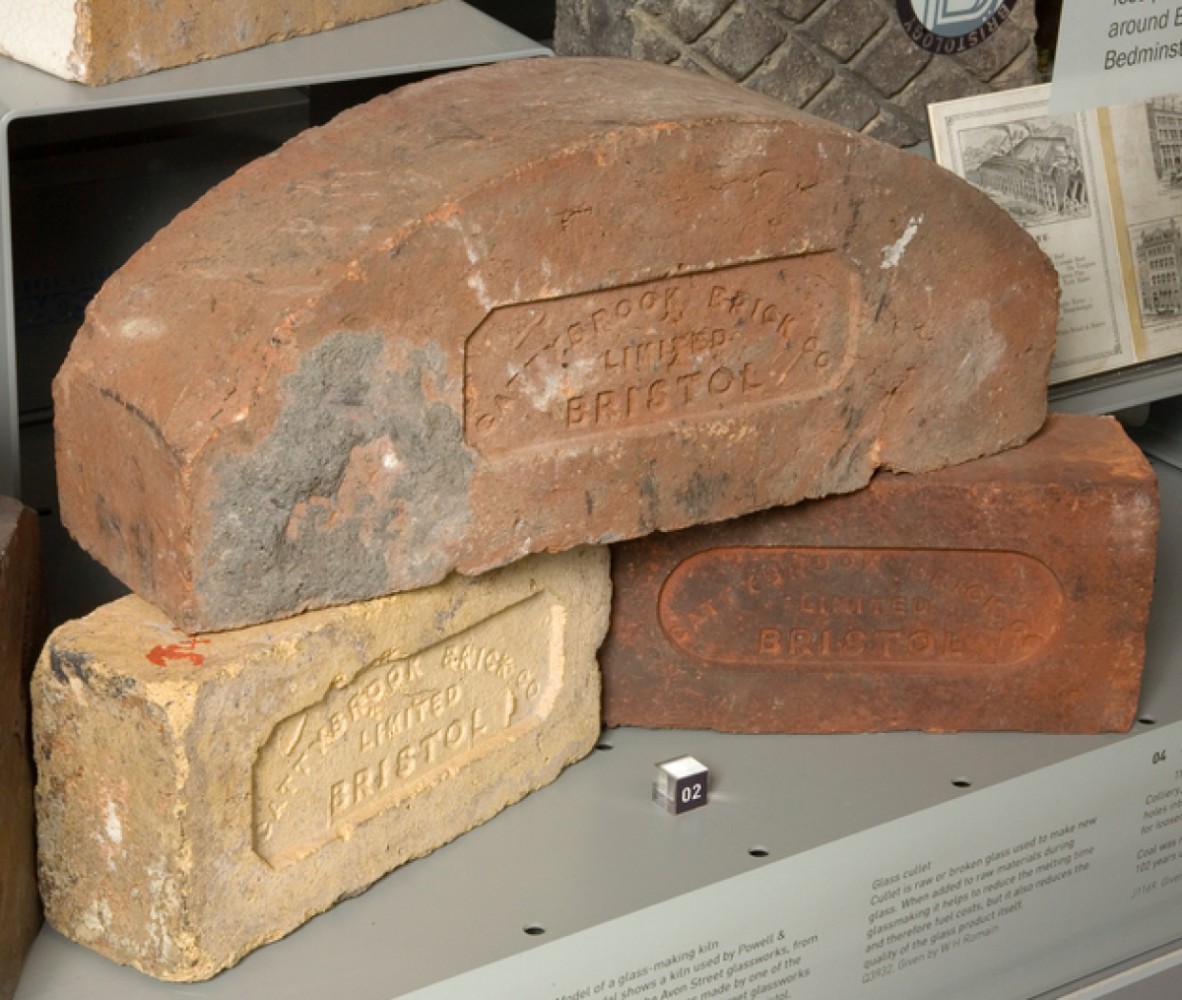
Portillo explains that the construction of the Severn Tunnel required an enormous supply of bricks, mainly sourced from the Cattybrook Brick Company. In fact, Cattybrook, located near the tunnel works provided 100,000 bricks per month in 1883, and is an example of local reuse. Clay from digging the tunnel itself was used to make the bricks. It is said that up to thirty million bricks used in the tunnel came from Cattybrook alone. The locally sourced clay used for Cattybrook bricks was also a high quality fireclay. The naturally occurring clays with a composition primarily of silica, alumina, and iron oxide, gave them their characteristic strength and durability. The local clay bricks were also vitrified, making them stronger and ideal for infrastructure projects. This was perfect for the Severn Tunnel, ensuring its longevity and strength. Cattybrook bricks used to build local housing and public buildings can still be seen today and the character of many Victorian buildings in Bristol comes from their red Cattybrook bricks.
Although at peak capacity, so many bricks were required for this project, other bricks were also specified by the engineers as a suitable strength for the project such as, Staffordshire brindle; collectively providing as many as 1.2 million bricks per month for the tunnel lining.
Cattybrook Brick Company, est. 1864, was taken over by Ibstock Group in the 1970s. Although many UK brick works have now closed due to competition from abroad. The historic, Cattybrook brick work location has also now closed and the old brick pit has been designated a geological site of special scientific interest. Although Ibstock still produces bricks branded as 'Cattybrook', including varieties such as Bristol Brown. These are made at the Cattybrook Brickworks now located in Almondsbury, Bristol.
Although this reuse story is from the Victorian era, it remains a useful example of the benefits that come from local reuse, especially for larger projects.
To reuse brick locally:
Find reclaimed bricks for sale on the SalvoWEB marketplace. Simply refine your reclaimed brick search by area. Also find local reclamation yards listed in the Salvo futuREuse directory. The SalvoWEB worldwide directory, has been running for thirty years and the futuREuse focused, UK & Ireland Top 500, edit has proven to be a useful addition, especially for construction professionals sourcing reclaimed building materials. Brick specialists can supply the higher numbers required for large building projects. However, plan well in advance to guarantee a large supply of special brick types. Specialist brick reclamation dealers will also offer a brick matching service.
For new build and renovation projects both locally made and reclaimed bricks offer a sustainable alternative to new bricks by reducing transportation emissions. But reclaimed bricks also avoid the energy intensive process of new brick manufacturing with an added benefit of orginal character, blending more easily into the local landscape.
Look out for the crane logo showing Salvo Code members following good practice in buying and selling and the Truly Reclaimed logo assuring that a product or batch of reclaimed building materials is genuinely antique or reclaimed. For example, new bricks are often made to look old to add character but cannot offer the same reduction in carbon emissions as old reclaimed bricks. The additional manufacturing processes used to make a brick look old, such as tumbling and weathering solutions, may even add to their carbon footprint.
Story Type: Feature