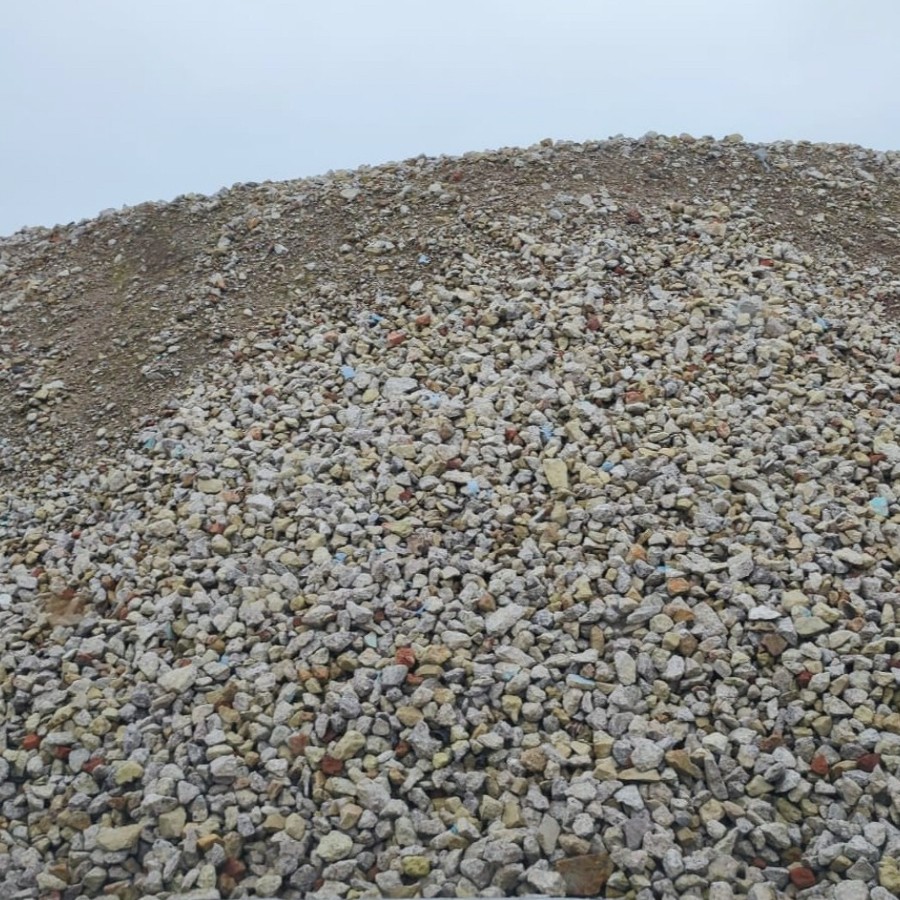
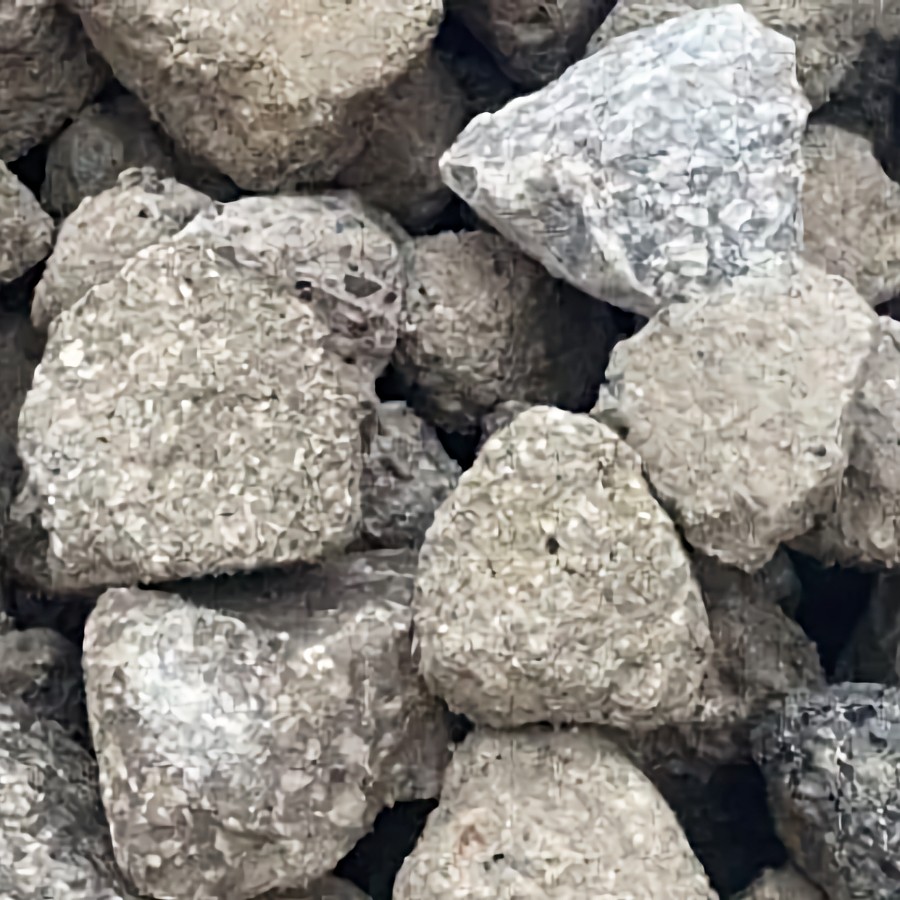
The research team led by Professor Takafumi Noguchi at the University of Tokyo, Department of Architecture have now succesfully reused concrete to make bricks. The project named C4S, Calcium Carbonate Circulation System for Construction aims to create carbon neutrality and reduce waste in construction. The concrete used was from a demolished school and the carbon dioxide, CO2 was simply from air.
The concrete used was Portland cement made from limestone, a durable rock known for its stength. This old concrete was first crushed and then ground into powder. It was carbonated over three months and then pressurised with a calcium bicarbonate solution amd then dried. The layers of concrete had been put into a mold to compact them under pressure to enhance their strength.
Initially the calcium carbonate concrete bricks they made had been too small but this new method has proved successful producing larger and stronger bricks. The test also proved bricks could be made from older concrete. Professor Ippei Maruyuma leading the project's material development said, ' they could build regular houses and pavements' and they could 'theoretically be used semipermanently through repeated crushing and remaking.' Another significant comment he made was that the process ' requires relatively low energy consumption. Now, concrete in old buildings can be thought of as a kind of urban mine for creating new buildings.'
The next step in their research will be to move to a pilot plant to develop the commercial viability of the producton process together with a pilot project to build a two storey house by 2030.
New concrete accounts for around 8% of global carbon emissions. Reuse of reclaimed building materials is the key to reducing the construction industry's contribution to the current climate emergency and if it works it would be a game changer.
Note: Images show crushed concrete which can be sourced from Salvo Code member dealer, Cheshire Demolition, UK.
Story Type: News