West Sussex, UK
Beyond giving us a clearer perception, light is essential to our wellbeing. It affects our health, mood, and concentration with the power to transform our environment.
A light history…
The convenience of light at the flick of a switch is usually something we only ponder during a blackout. Before the invention of gas lighting, the hub of evening activities traditionally centred around a fireside, with candlelight and oil lamps providing portable light around the home. In wealthy households, interior light fittings utilised reflective surfaces to magnify the light and illuminate gilding.
Industrialisation led to significant advances, with Scottish engineer William Murdoch developing the application of gas lighting in the late 18th century. The new technology took time to be accepted into homes, but by the 19th century, gas lights gained popularity. The Englishwoman's Domestic Magazine recommended that parties be given by gas light and 'if it be daylight outside, you must close the shutters and draw the curtains.’ However, gas lighting had shortcomings, such as smoke that blackened the walls and the occasional explosion - party with a bang, anyone?
Home furnishings during this period were darkly luxurious and ornate, and the new lighting fixtures invited even more embellishment. The Gasolier was created, a chandelier that employed several gas burners; these were often opulent, with imitation designs in the Gothic and Rococo styles were a la mode.
Electricity soon superseded gas. Thomas Edison is often credited as the inventor of the incandescent lightbulb, though it developed through the work of many people over the decades. British chemist Joseph Swan began experimenting with materials in the 1850s to make a durable filament for the lightbulb. The two men ultimately partnered to establish the Edison & Swan United Electric Light Company, which became the largest manufacturer of lightbulbs.
Electric lighting became more prevalent after the First World War. However, it was only with the establishment of the National Grid in 1935, which standardised the nation's supply, that aided the expansion of electric lighting into homes. Cleaner and more convenient, electricity quickly grew from only 6% of homes wired up in 1919 to two-thirds by the 1930s.
The ease of electric light opened up a world of decorative designs, which were no longer hemmed in by the flame position of a gas light. There are many periods and styles to pick from when buying antique and reclaimed lighting. Lean into what lights up your eyes and try not to be ruled by the tyranny of trends. Unlike their newer counterparts, older light fixtures were often handcrafted for longevity with high quality materials which hold their value.
Here are a few pointers to help cast the right light in your home…
Create an illuminating plan
What are you looking for? Consider how you use your space. Lighting can be split into three main categories; ambient is the primary light source, task lighting assists you in your work, and accent lighting focuses light on a particular area, such as a piece of art. It is all about setting the right mood, and multiple light sources can help you change-up the atmosphere.
It's not you, it's the lighting
Hailed for its minimalist look, downlighting is a dominant trend but not the most flattering. Anyone that has used a changing room knows the damaging effect of bad lighting. Be kind to yourself and your guests when creating your lightscape.
Try to mimic natural light by experimenting with bouncing light. Place lamps or wall lights at head level, which is universally more flattering. It is no surprise that uplighting became popular in the Art Deco period - the dawn of the golden age of Hollywood - where they perfected the glamour of good lighting. Standing lamps, ceiling lights and wall sconces in opaline glass directed light upwards to create diffused lighting.
Scale the heights
"Duck" is not the warmest of welcomes to your houseguests if you choose large lights for lower ceilings. I speak from personal experience - my grandmother had a brass chandelier that followed her from house to house despite the height of the rooms.
Don't forget your Kelvins
Light is key to regulating our circadian rhythm, it triggers the production of serotonin which controls our mood and melatonin, which encourages sleep. Beyond the light positioning, you should consider the brightness and colour of your lightbulbs. The Kelvin (K) scale measures the colour temperature of light. The higher the number, the bluer or whiter the light. Warmer lightbulbs (2,000 - 3,000K) help us feel calmer and more relaxed, whereas higher-rated bulbs (3,100K - 4,500K) aid concentration.
Safety first
It is essential to buy from trusted and reputable sources, which is why I recommend seeking a Salvo Code dealer. Antique and vintage light fittings require rewiring to adapt to modern regulations. With lamps, this usually means replacing the bulb holder and flex and adding an earth wire.
Always read the item's description to ensure the working condition of the light. Restored lighting should have a dated PAT test label no more than three years old. On SalvoWEB, we require sellers to state whether electric lighting meets current safety requirements. If you fall in love with a light 'sold as seen,' you can have it rewired by a qualified restorer who can also provide a PAT test. Please don't attempt to test or rewire the light unless you are a competent electrician; it could be an electrifying and costly mistake.
Remember
Never throw a lightbulb into your household waste or recycling bin, as they may contain potentially dangerous substances such as mercury. Instead, find your nearest recycling point so that precious materials can be repurposed into new machinery like wind turbines or electric cars.
You can explore vintage and antique lighting on SalvoWEB, here are few of my favourites…
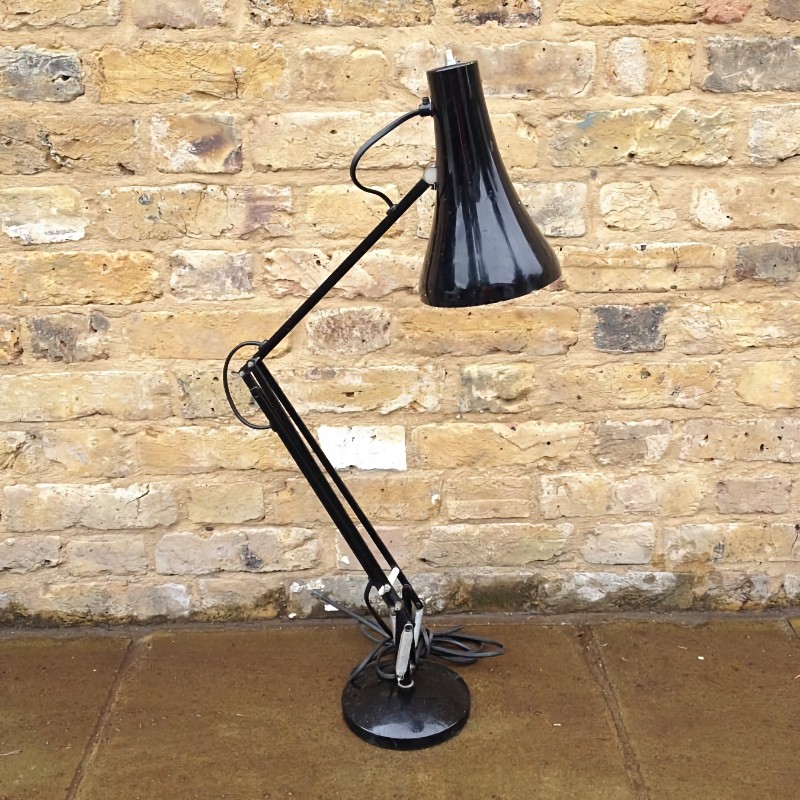
1) Reclaimed Anglepoise Lamp
The ultimate task light, the Anglepoise Lamp is a timeless design classic, especially in black like this one from Salvo Code member V&V Reclamation.
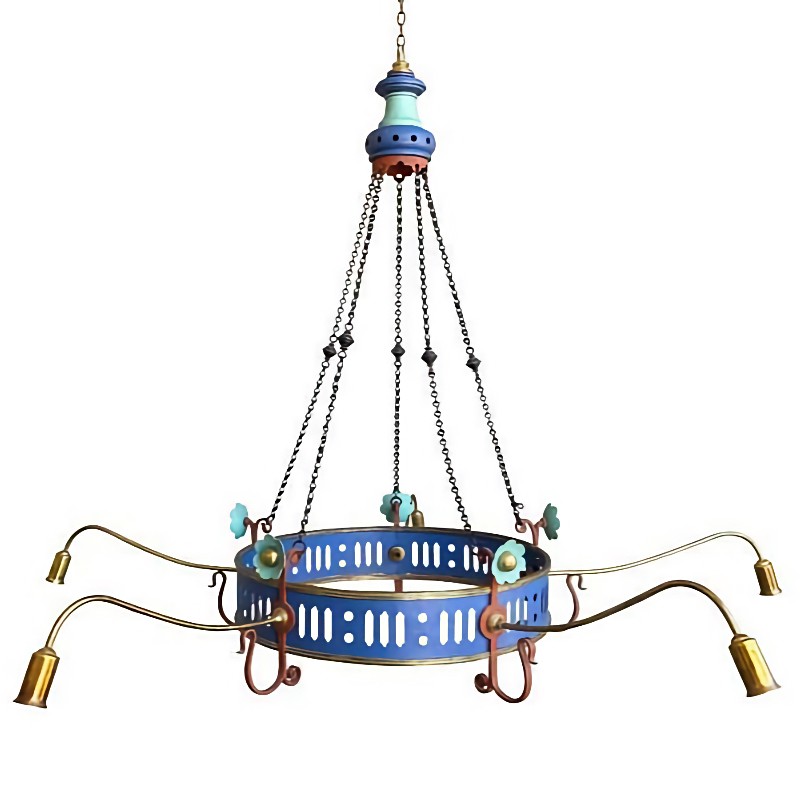
2) Antique Reclaimed Early Victorian Polychrome Brass and Iron Chandeliers
This Victorian polychrome brass and iron chandelier from Salvo Code member UK Architectural Antiques comes with provenance, initially designed for Grey Friars Church in Reading, England. Currently available in the Salvo Shop, these chandeliers have been converted from gas to electric, so no candle snuffer is required.
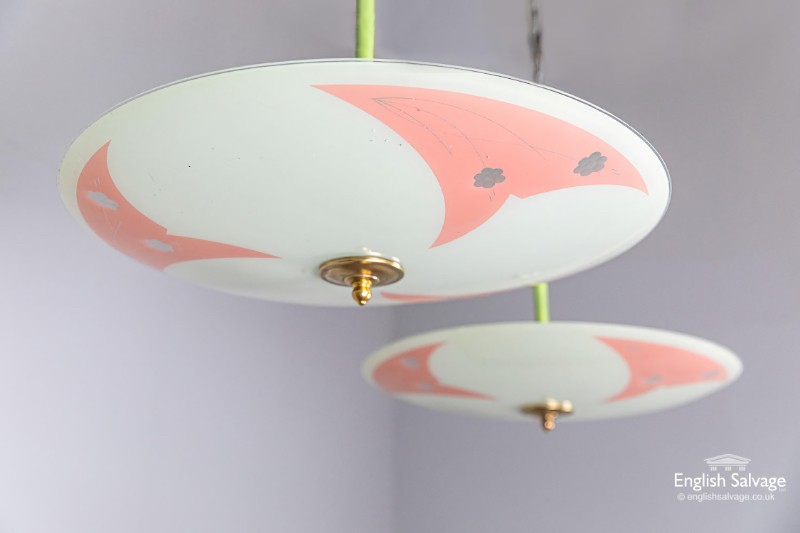
3) Mid-century glass uplighters from English Salvage
I love these quirky glass dish uplighters from Salvo Code member English Salvage. These have been rewired and have three bayonet bulb fittings in each dish.
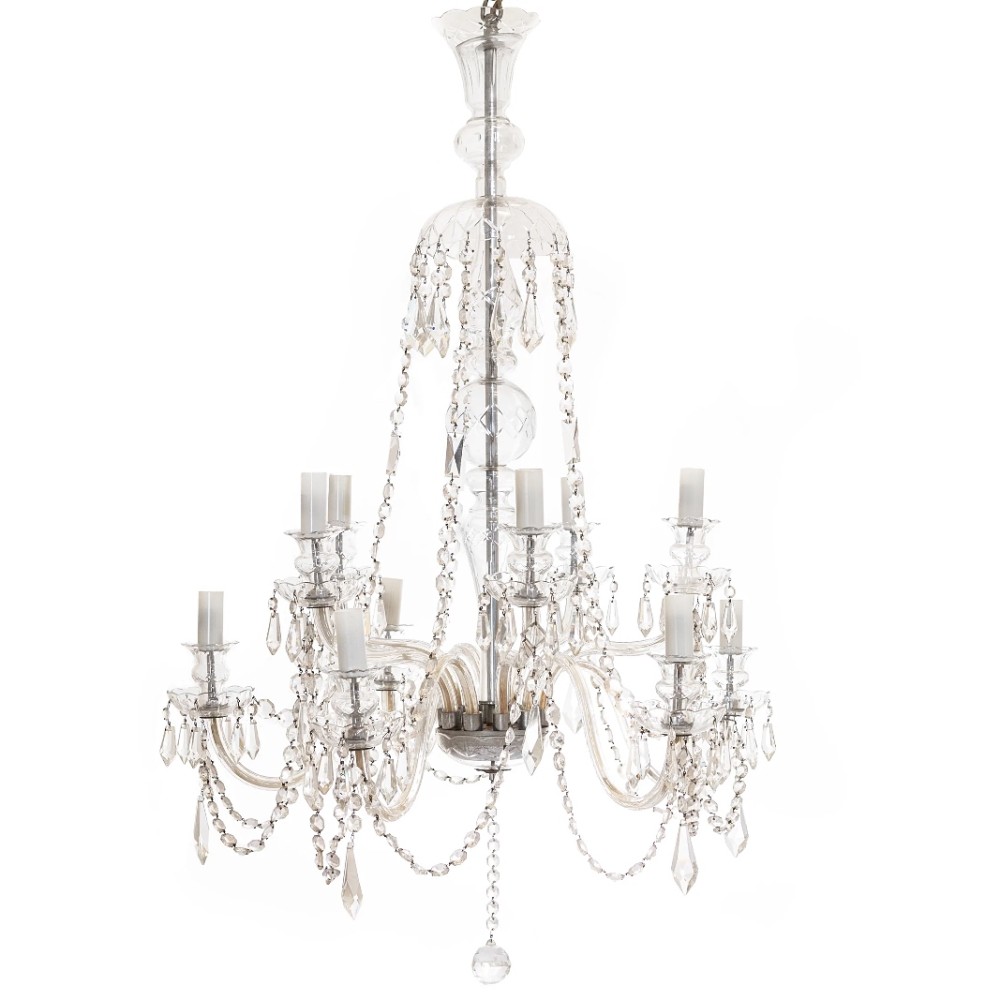
4) Spectacular Large Antique Crystal Chandelier
Looking for an elegant showstopper, this antique crystal chandelier from Architectural Forum echoes grander days. The cut crystals amplifies light beautifully with light refractions of rainbow prisms, creating a shimmering effect rather than a static light.
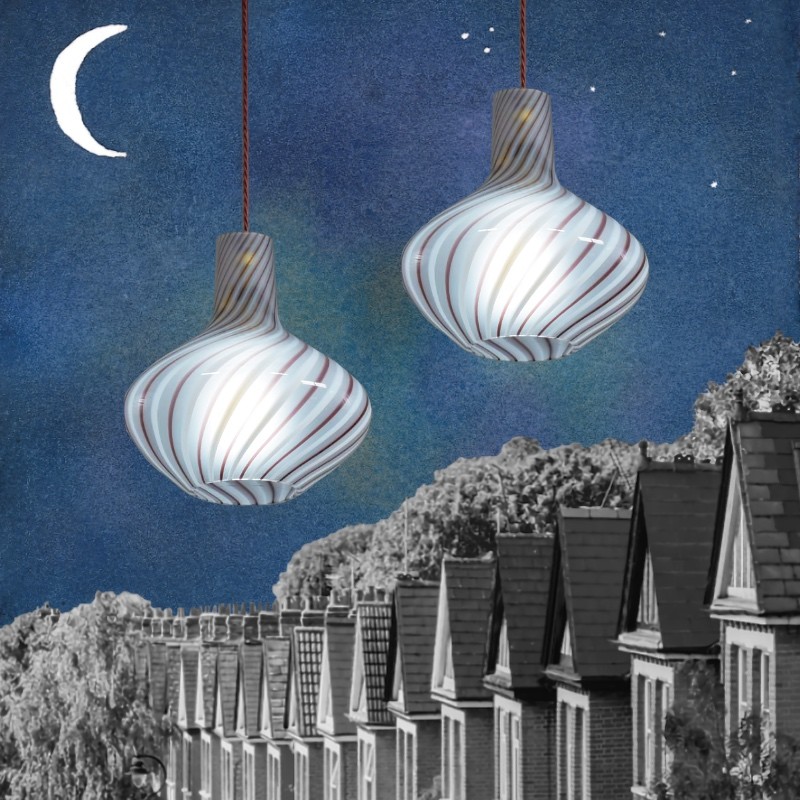
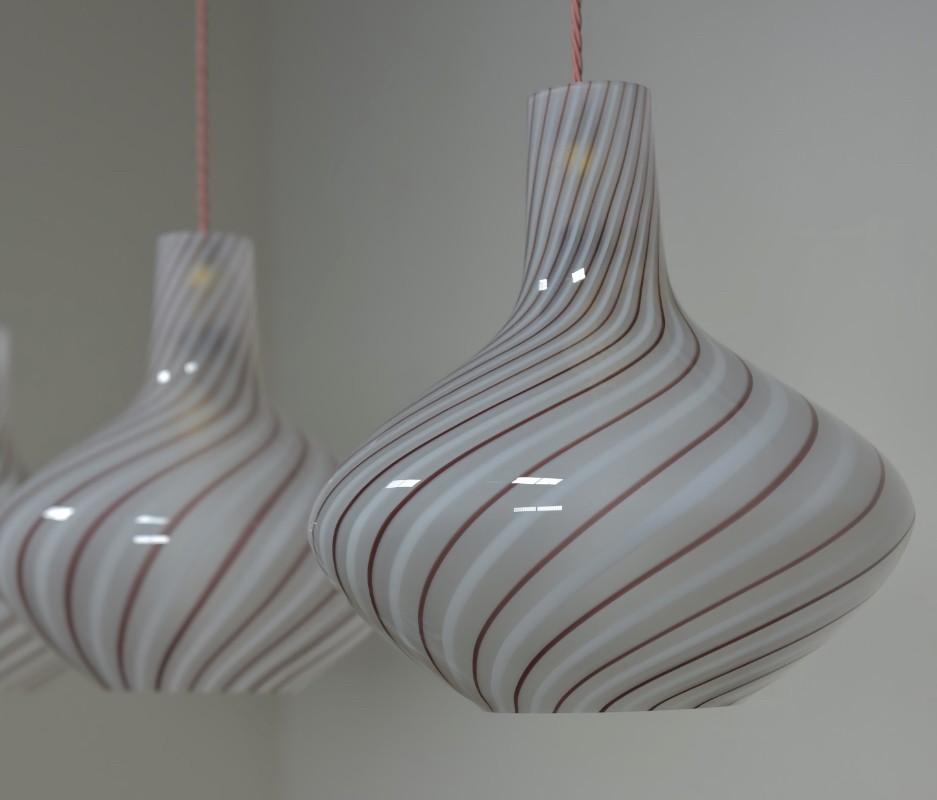
5) Spirally Decorated Murano Pendant Lights
Who can resist the beautiful colours and textures of hand-blown glass? These 1950s pendant lights from Haes Antiques have been restored with new brass cord grips and ES lampholders and rewired with 1.5m "rose pink" fabric flex.
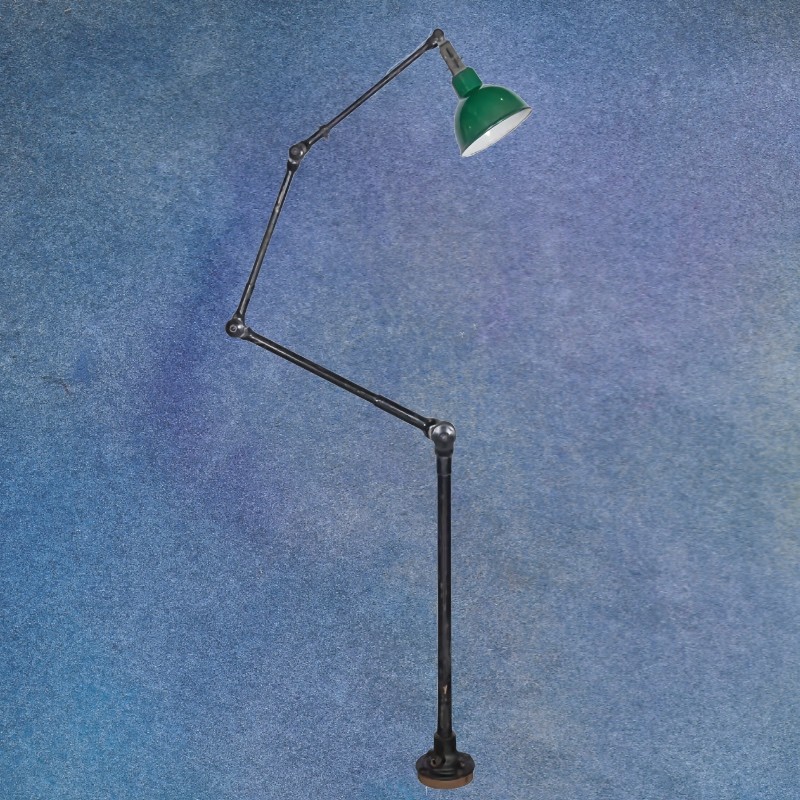
6) Vintage Industrial Articulated Floor Light with Enamel Shade
An original industrial floor lamp with an original enamel shade makes for a great reading light. This 1930s articulated lamp, from Salvo Code member Architectural Forum, was manufactured by UK-based industrial lighting specialists Dugdills. Currently available in the Salvo Shop.
Browse antique & reclaimed lighting on SalvoWEB
Find your local recycling point
Story Type: News