London West, UK
Once the symbol of local, the ‘reclaimed look’ is now a global design aesthetic, typically defined as a taste for the industrial with exposed wood, stripped-down walls and flooring, and vintage lighting. Now let me transport you to Hairport, a barber shop in Kabul, the capital of Afghanistan where The Economist sets the scene in a recent article called “Flat-White World.”
The owner of Hairport, which is clad in photos of tattooed and bearded hipsters, chose the name because it sounds like 'airport' —a connection to the rest of the world. He goes onto explain how the market has completely changed. Although beards were enforced up until recently and tattoos go against religion, barber shops like this are now popping up. They offer a link to trends with a haircut for customers getting their global style inspiration from Instagram and Pinterest. At the Lion Café, a trendy hangout in West Kabul, The Economist quotes a twenty two year-old law student working on his laptop, 'Sometimes you need a break from your own culture… it is joyful when you can find that in your own country.'
Even before the current situation, traditional globalisation has slowed over the last few decades and so has brand globalisation. However the globalisation of taste is on the rise. The article references this year’s global 'hipster index' carried out by MoveHub, an international shipping company, that ranked cities by the number of coffee shops, record stores, tattoo parlours, vegan restaurants and vintage boutiques. It discovered that despite the predictable places, hipsters have now spread much farther afield.
In Delhi, a venture capitalist describes the style as 'reassurance design' , which communicates to potential customers that whether it is a haircut or a coffee they are seeking, it will meet a certain standard of quality and signal membership of a global elite. There are many factors influencing design internationally, from increased migration to travel for pleasure or education but today fashions are shared much faster to anyone with access to the internet. The Economist poses the point, where commerce spreads, so does culture.
Yet in some countries, the ‘reclaimed look’ is losing its authenticity and the mismatched vintage furniture trend no longer reflects individualism. I love the idea that truly reclaimed materials, with their history and human quality, have the ability to connect people from different cultures; but hate the idea of reducing reclamation down to a look. It is easy to appreciate reclaimed pieces exclusively for their raw, weathered, or irregular quality. But salvage will create timeless character, no matter how you take your coffee or whatever style you are seeking.
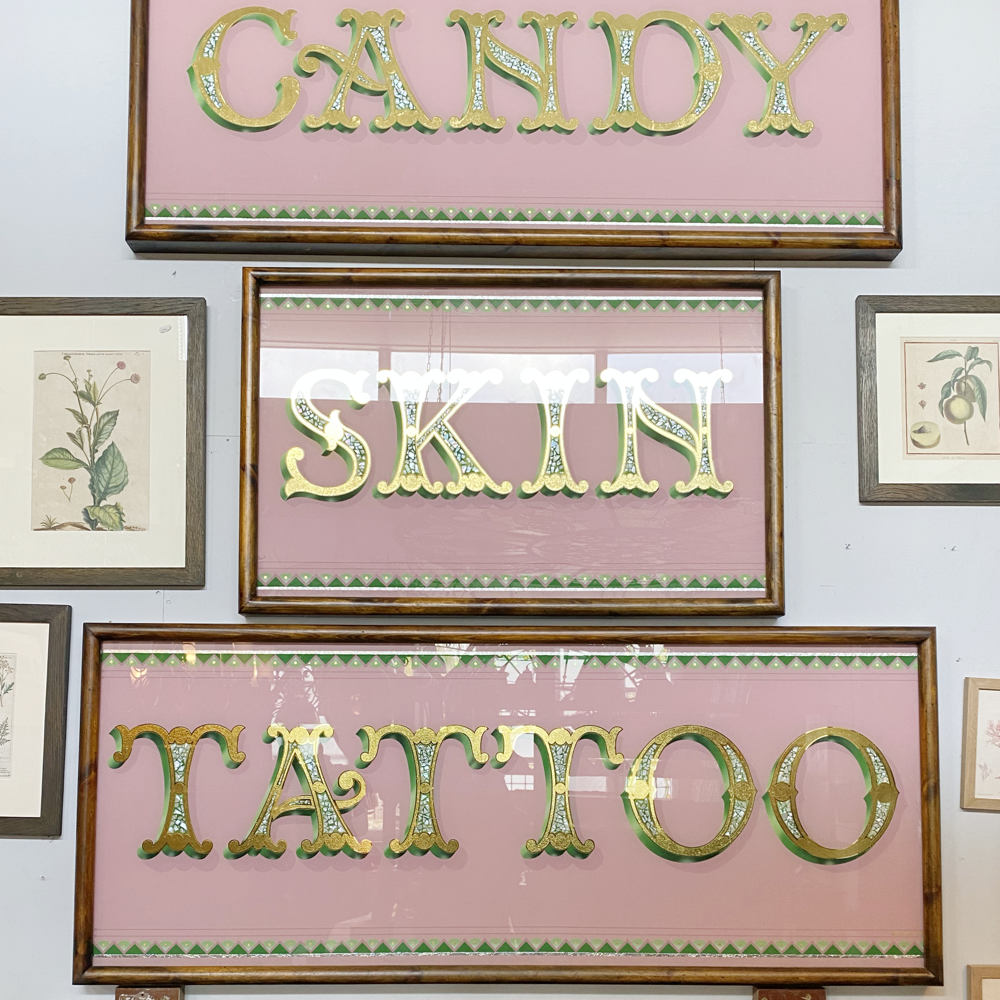
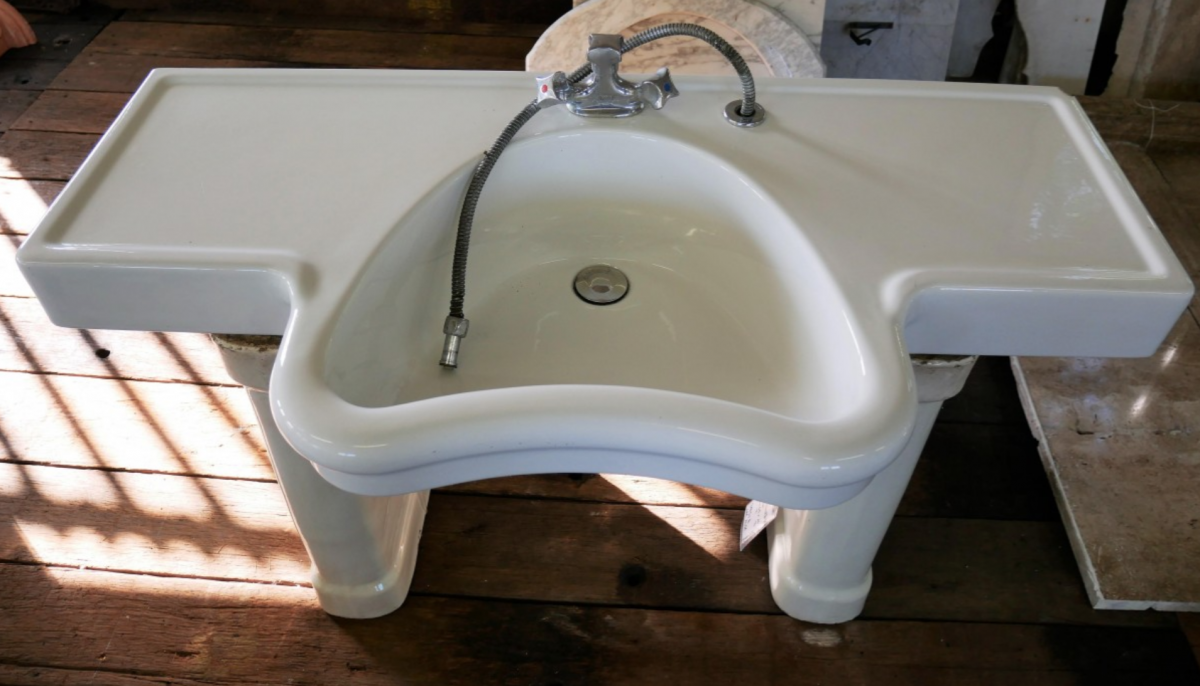
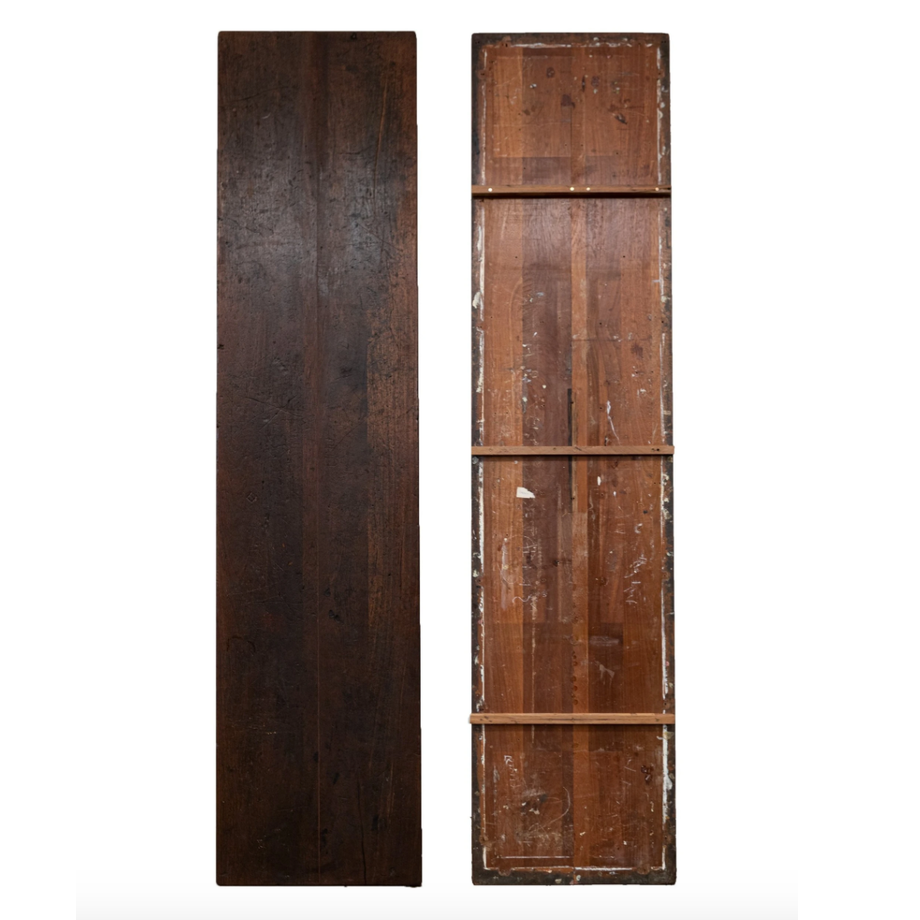
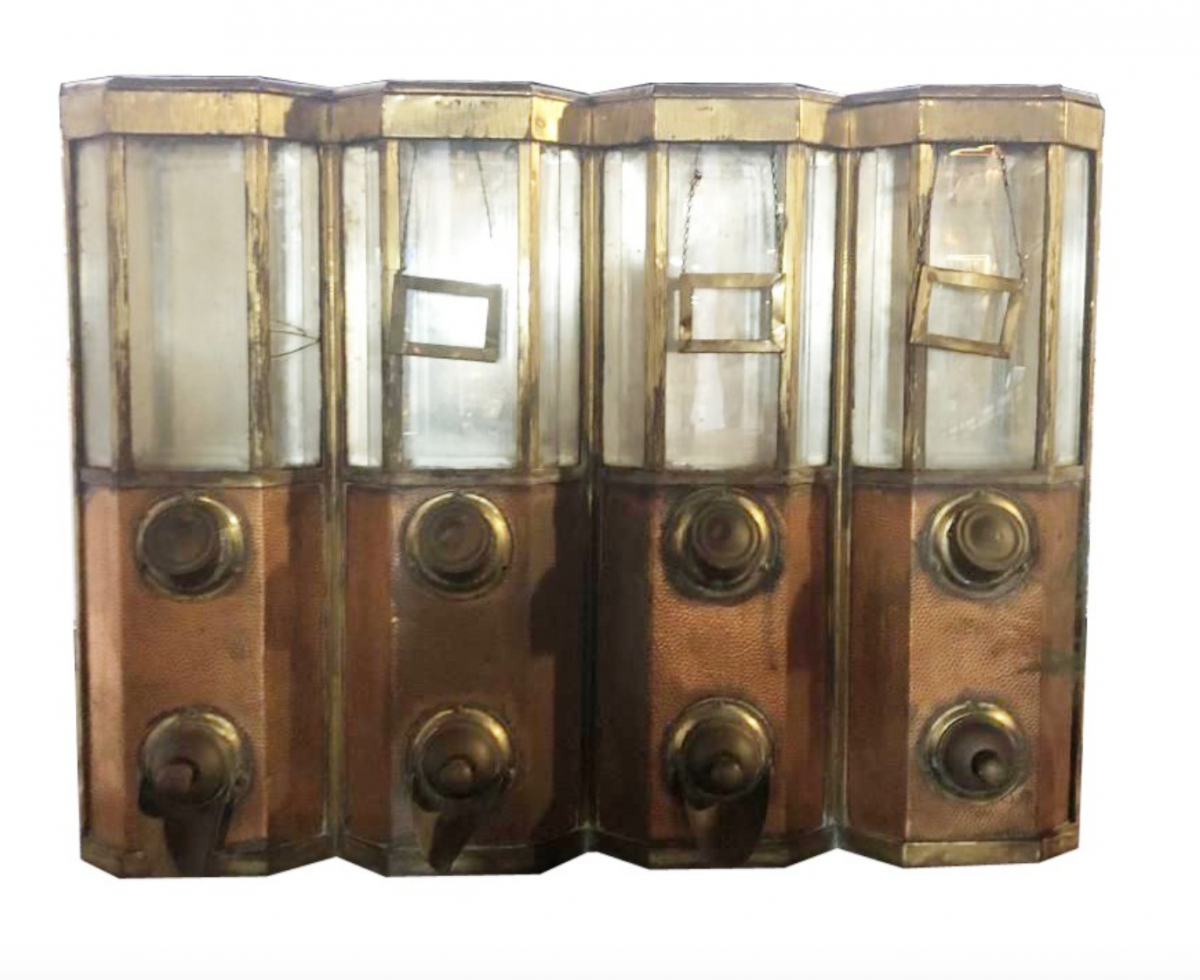
Photos include shop signage spotted on a recent visit to LASSCO Three Pigeons and truly reclaimed barber and coffee-related picks currently for sale and listed on Salvo, the world-wide online marketplace for architectural salvage.
The Economist, November 7th 2020 edition
Salvo Shop: Reclaimed Teak Iroko Worktop from Architectural Forum
Story Type: Feature