London West, UK
Each summer the Serpentine invites an internationally renowned architect to design a temporary pavilion on the gallery’s lawn. The commission is a global platform for the chosen designer and, with just 6 months to realise their vision, the project encourages experimentation and aims to push the boundaries of contemporary architectural practice.
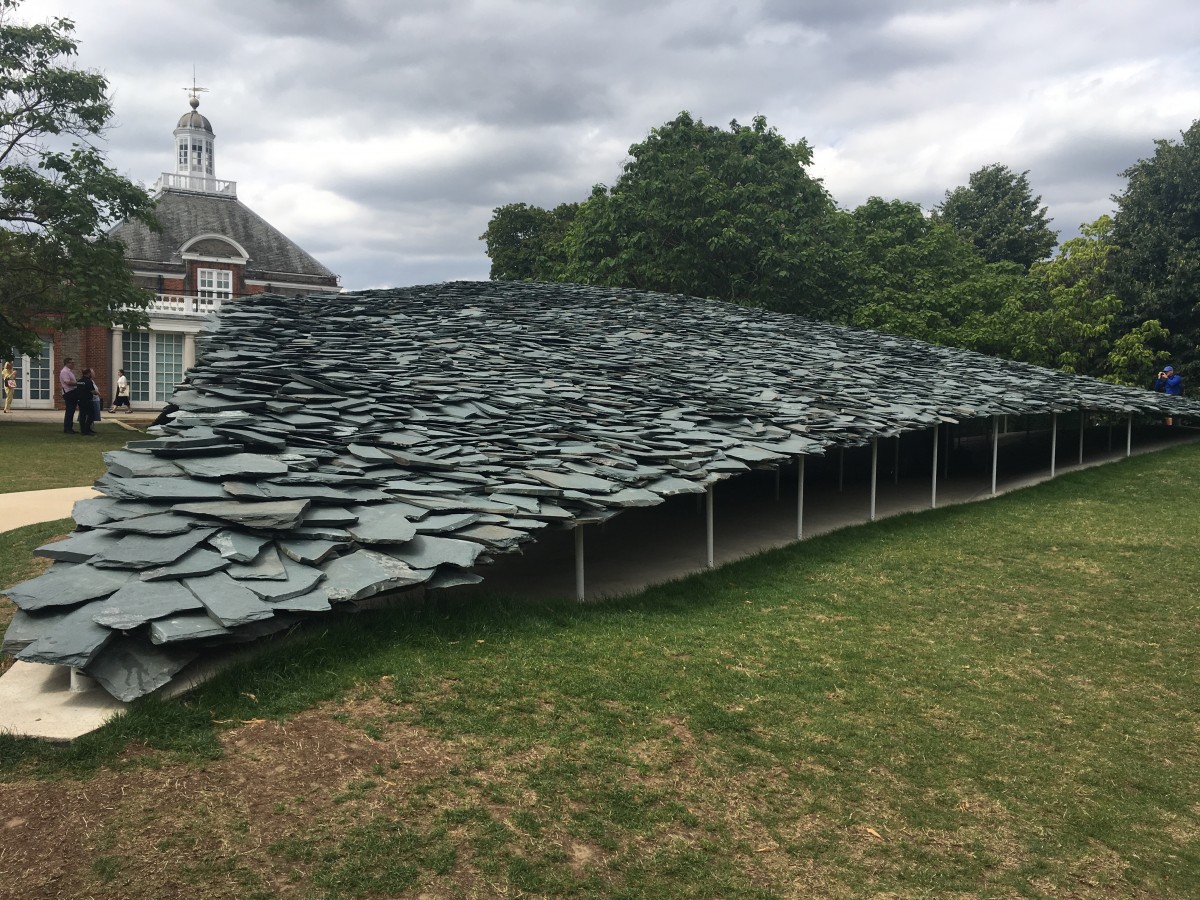
This year’s pavilion, designed by Japanese architect Junya Ishigami - known for his innovative designs that incorporate the natural world - has been inspired by the most common architectural element, the roof. "I wanted to create a pavilion that felt primitive and ancient,” said Ishigami, “something between building and landscape. Slate roofs are found all over the world, so anyone coming here will be able to identify with it as a basic, archetypal form."
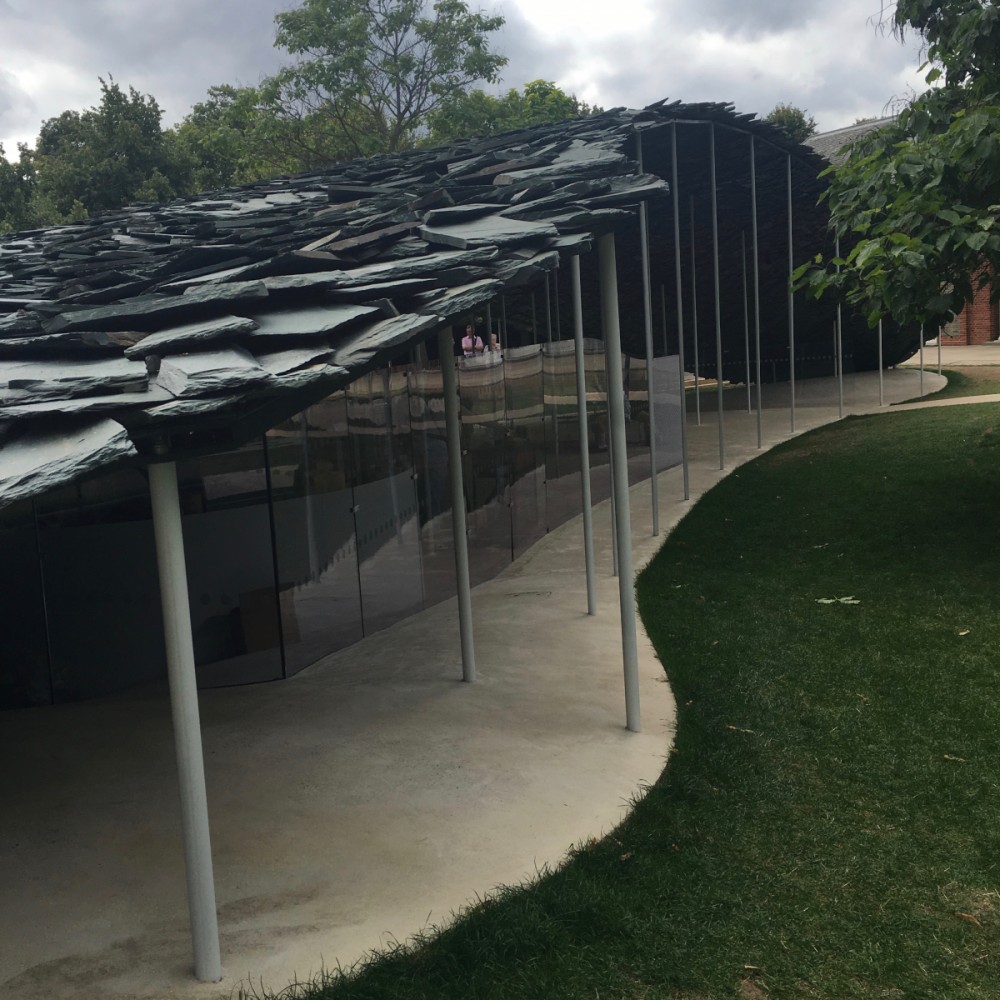
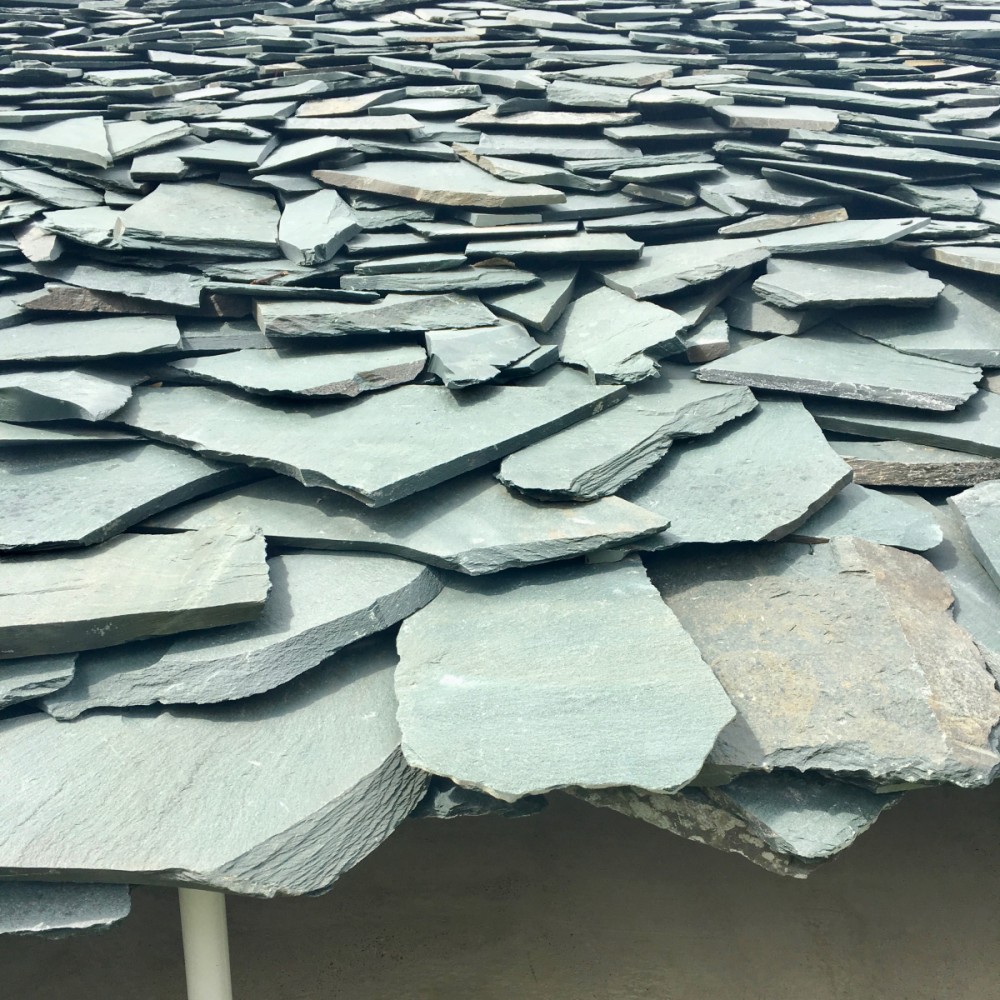
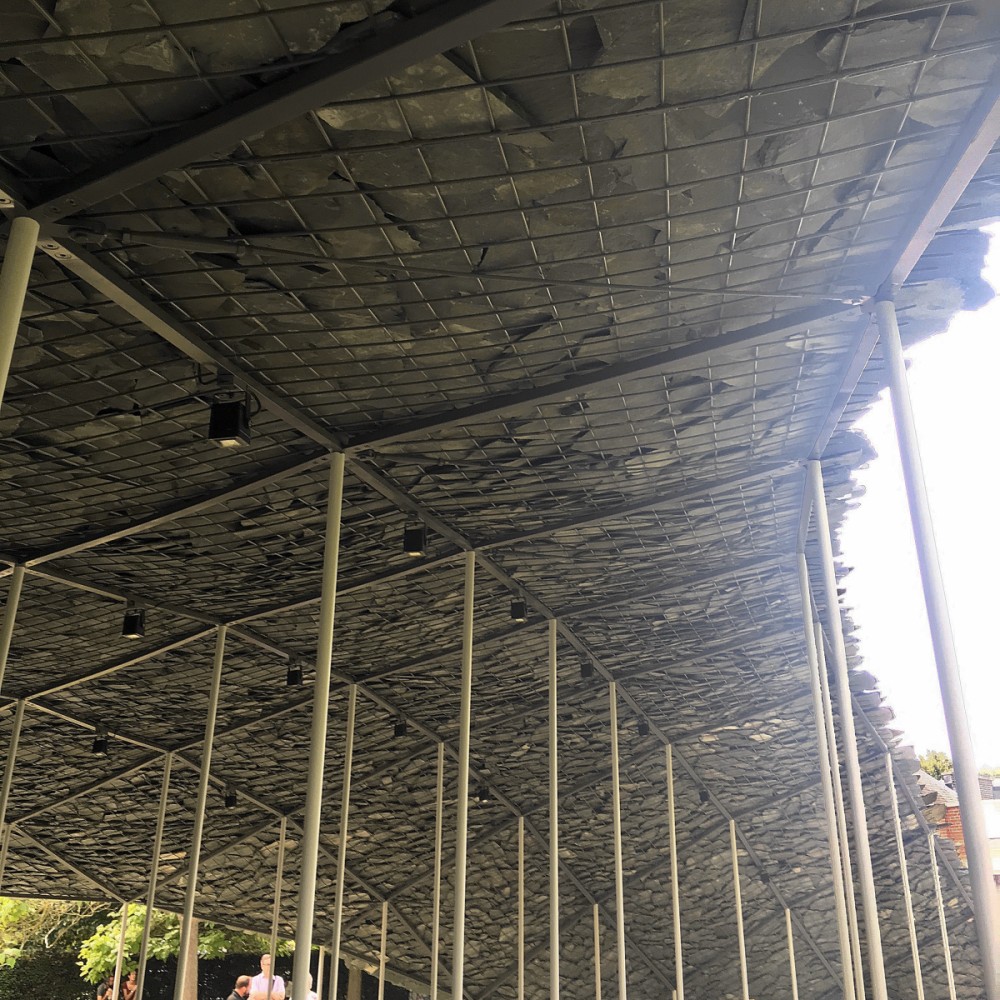
The pavilion emerges from the ground like a craggy hill, the wing-like canopy was covered with 61 tonnes of Cumbrian slate supported by a forest 106 thin steel legs. The irregularly shaped slate tiles cascade over a curved steel grid creating a cave like structure, which is used as a café and meeting space by day, and a forum for learning, debate and entertainment at night.
Ishigami’s design was constructed by Yorkshire business Stage One, the eleventh year in a row it has worked on the Serpentine Pavilion. A feat of engineering, the slate is nearly six times heavier than the steel frame that supports it. This construction challenge is hidden from the viewer, the pavilion has the airiness of a tent with the canopy giving the impression it could float away despite the weighty slate.
The slate was sourced from Honister, one of England’s last working slate mines located in the heart of the Lake District. Slate has been used for centuries in roofing not only because of its natural beauty but also for its extreme durability. Slate has a long lifespan, making this versatile material perfect for reuse. Using reclaimed slate can stop valuable materials being down-cycled or worse ending up in landfill. I’m hoping that the 20th pavilion will be a platform promoting sustainability through reuse and the creativity that using reclaimed materials can breed.
The Serpentine Pavilion is open to the public until the 6th October. Although only a temporary structure, previous pavilions have gone on to have second lives around the world, and the less fortunate ones have ended up in the stores of wealthy art collectors.
Feeling inspired see reclaimed slate tiles on Salvo.
Serpentine Galleries
Story Type: Exhibition Review